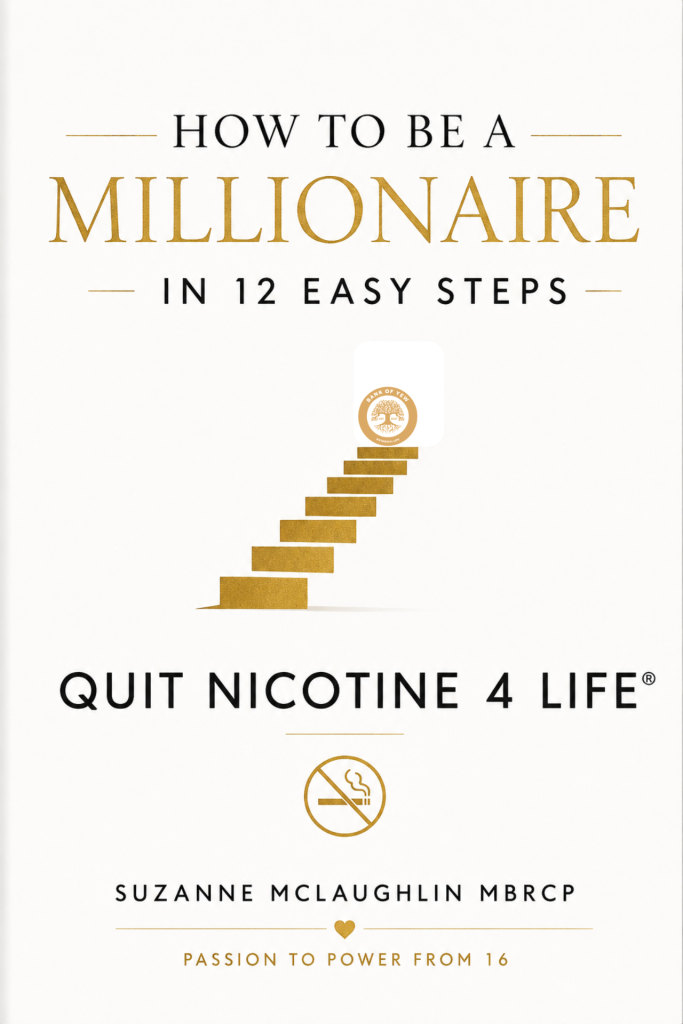
HOW TO BE A MILLIONAIRE
12 SIMPLE STEPS
PRIDE IN PLACE GL4 SUM UP – SMOKE FREE 2030 INITIATIVE
£8 MILLION NATIONAL
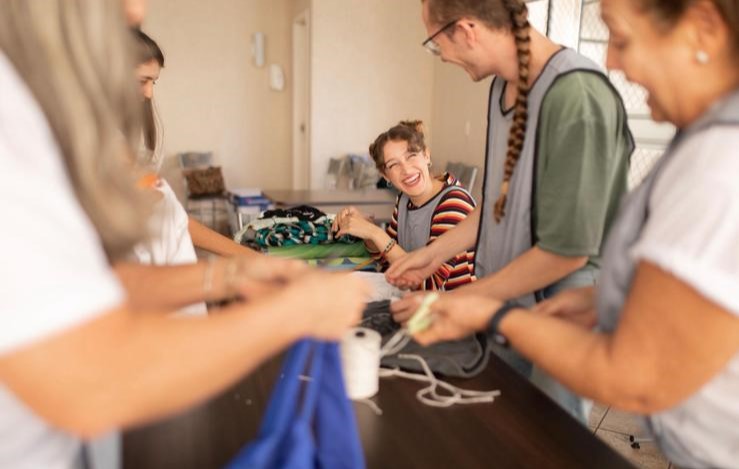
- Young people learning skills in a community centre or classroom
- Swimming pool training session (lifeguard / instructor pathway)
- Teens working together on laptops or business planning
- Healthy lifestyle imagery (sport, walking, fitness, teamwork)
-

EXECUTIVE SUMMARY
This is a nationwide Pride in Place education, health, and employment programme designed to help young people build better life outcomes through skills, discipline, and long-term thinking.
It is built on one main idea:
Better habits lead to better health, better skills, and better futures.
The programme combines:
- Smoke Free 2030 education (nicotine awareness and quitting support)
- Financial education (saving, budgeting, investing basics)
- Alternative pathways to success outside university
- Local employment and training through community facilities
Delivery happens through real community spaces like:
- swimming pools
- leisure centres
- high streets
- youth and wellbeing hubs
These places become training and employment gateways, not just buildings.
WHY THIS MATTERS NATIONALLY
This programme focuses on prevention and opportunity, not crisis response.
The UK faces linked challenges:
nicotine and vaping dependency in young people
low savings and financial awareness
lack of clear job routes outside university
PRIDE IN PLACE DELIVERY MODEL
This approach works by using local spaces as learning hubs:
- schools and colleges
- leisure centres and swimming pools
- community centres and high streets
GL4 SUM UP
The goal is simple: make learning and opportunity local, accessible, and practical.
SWIMMING POOL ACCREDITATION PATHWAY
Local swimming pools and leisure centres become training environments for: lifeguard qualifications swimming instructor training lifesaving skills employability development This creates real job routes into: leisure services coaching and education community safety roles It provides a clear alternative to university with recognised qualifications and real employment potential.
WHY THIS MATTERS
This pathway connects: health and fitness employability skills earning potential community safety It turns local facilities into career launch points.
12 SIMPLE STEPS
This model shows how behaviour change links to long-term financial independence.
1.
Decide to change your future direction
- Understand your current spending habits
- Quit nicotine and reduce dependency habits
- Redirect spending into saving or investing
- Open a long-term savings or investment account
- Save consistently every month
- Use simple index-based investing for long-term growth
- Understand realistic long-term growth (around 6–8% historically)
- Avoid taking money out early
- Stay consistent during ups and downs
- Increase contributions when income improves
- Maintain long-term discipline over 40 years


FINANCIAL OUTCOME EXAMPLE
If £400 per month is saved/invested for 40 years:
- At 6% growth: around £800,000
- At 8% growth: around £1.2 million
These are educational estimates, not guarantees.
EMPLOYMENT AND SKILLS OUTCOMES
Participants can access:
- swimming pool training and accreditation
- lifeguard and instructor pathways
- community work experience
- employability and life skills development
This supports both short-term skills and long-term careers.
SMOKE FREE 2030 ALIGNMENT
The programme supports healthier lifestyles by:
- reducing nicotine and vaping dependency
- linking quitting to positive life outcomes
- improving physical activity and wellbeing
- supporting early prevention education
Quitting becomes part of building a better future, not just stopping a habit.
COMMUNITY IMPACT – PRIDE IN PLACE
Expected outcomes include:
- improved health awareness
- stronger job pathways for young people
- better financial understanding
- stronger use of local community facilities
- reduced long-term dependency on support systems
It builds stronger communities through education and opportunity.
CLOSING STATEMENT
This is a structured life pathway system.
It helps young people:
- improve health
- build skills
- access real employment routes
- understand money and long-term planning
- create independence without relying only on university
In summary:
It turns behaviour change into real opportunity.